

Biomimetic molecular recognition
Molecular recognition plays an important role in the life system and is the fundamental basis of the physiological functions of biomolecules. It is closely related to many physiological processes such as sperm egg recognition, immune response, signal transduction, gene regulation, and apoptosis, covering all stages including birth, development and death. In biological systems, antibodies, enzymes, and receptors are typical biomolecules for molecular recognition. Molecular recognition has important application values and is widely used in separation, sensing, biochemical research, disease diagnosis and drug development.
Antibodies, especially monoclonal antibodies, are widely used in many fields due to their excellent recognition, especially in the treatment of major diseases such as cancer. However, antibodies suffer from significant disadvantages such as difficulty in preparation, high cost, poor stability, and poor reproducibility. In 2015, Nature published two editorials criticizing the quality of antibodies (Nature 2015, 521, 274-276; Nature 2015, 527, 545-551). Therefore, the development of biomimetic recognition technology not only is of important scientific significance, but also has great economic value.
Lectins are a class of proteins that can recognize sugar and sugar-containing biomolecules and are of great value in life science research and biomedical applications. However, like other biomolecules such as antibodies, lectins are associated with disadvantages such as difficulty in preparation, high cost, and poor stability. Boric acids, especially boronic acids, are a unique class of small molecular ligands that exhibit a similar function to lectin recognition. Boronic acids and 1,2- or 1,3-cis-dihydroxy compounds are esterified at relatively high pH (usually 8.5) to form a stable five-membered or six-membered ring structure, while at lower pH (typically ≤ 3), the hydrolysis of the boronate releases a cis-dihydroxy compound (see Figure 1 for the reaction formula). In the past ten years, our group has devoted to the preparation and application of boronate affinity materials. We have prepared and screened a number of advanced boronate affinity ligands, proposed the strategy of “team boronate affinity”, and expanded the applicable pH to frequently used physiological samples. We have elucidated the mechanism of intermolecular interaction involved in boronate affinity binding and proposed strategies for selectivity manipulation. We have clarified the enhancement effect on affinity of nano-confinement and multi-site synergic binding. We have prepared a series of advanced boronate affinity materials (see Figure 2 for representative materials) and successfully applied them to affinity separation, -omics analysis and aptamer screening. Our group will continue to study in depth new boronate affinity materials and similar affinity materials.

Figure 1.Schematic of boronate affinity interaction.
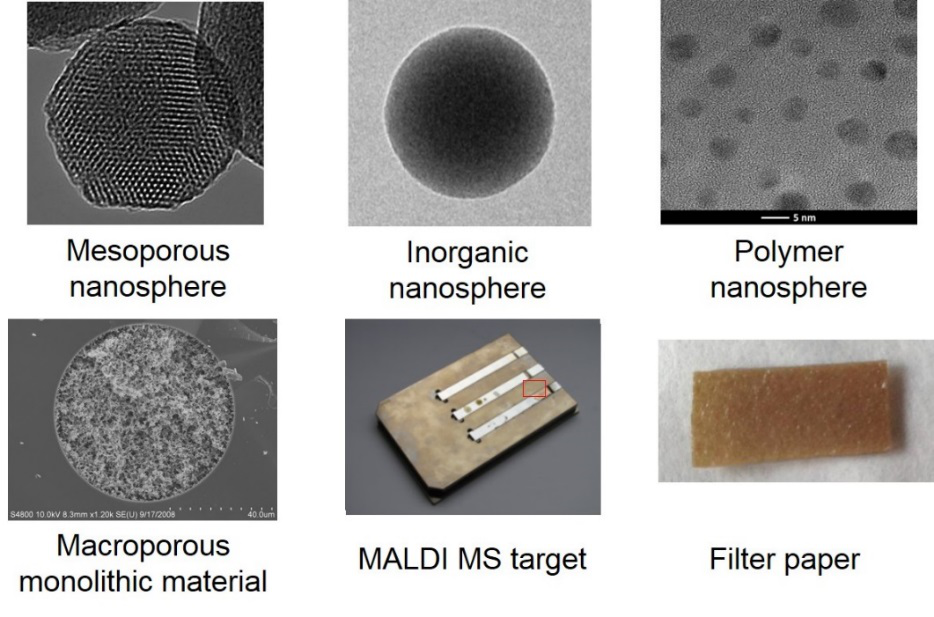
Figure 2. Representative boronate affinity materials.
Molecular imprinting is an important biomimetic molecular recognition technique. Molecularly imprinted polymer (MIP) is a polymer obtained by polymerization of various functional monomers in the presence of a template molecule. After removing the template, binding cavities with a three-dimensional shape and binding sites complementary to the template molecule are left behind on the polymer. The imprinted cavity can recombine with the template molecule without binding to other molecules (see Figure 3 for the principle). Compared with antibodies, MIPs have the advantages of easy synthesis, low cost, and good stability. MIPs have been widely used in a variety of important fields such as separation, sensing, immunoassay, etc., and have exhibited unique application potential in the fields of drug delivery, crystal growth, bioimaging, -omics analysis, body odor elimination, toxin neutralization, and antimicrobial treatment. Our group has combined boronate affinity and molecular imprinting techniques, and has developed a number of highly efficient and universal molecular imprinting approaches, towards monosaccharides, glycans and glycoproteins (see Figure 4 for the principle of imprinting of representative techniques). Recently, we have also combined boronate affinity with non-covalent imprinting to develop an approach called controllable oriented surface imprinting of boronate affinity anchored epitope for the recognition of various proteins (see Figure 5). Using the above techniques, we have prepared a series of molecularly imprinted materials with excellent molecular recognition properties (see Figure 6 for representative materials). Our group will continue to study high-efficiency and versatile molecular imprinting technology, to develop molecularly imprinted materials that can recognize characteristic structures of proteins and post-translational modifications of proteins such as glycosylation, and though integrating molecular imprinting technology with nanotechnology, to develop high-sensitivity and high-specificity analytical methods for the detection of disease markers as well as nanomedicines that can regulate specific disease signaling pathways.
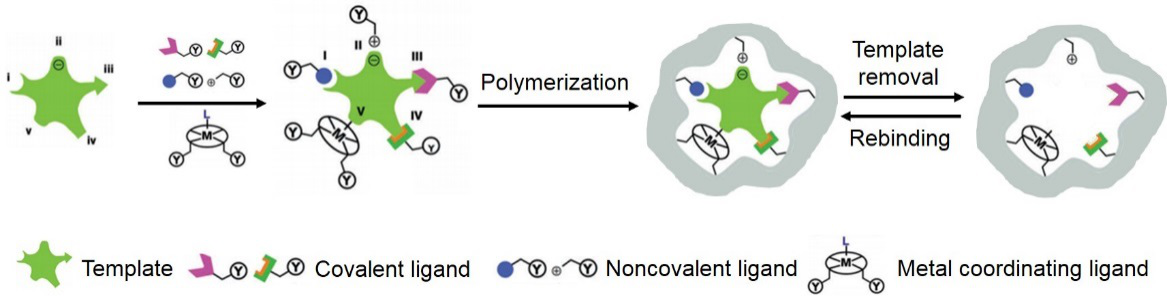
Figure 3. Schematic of the principle of molecular imprinting.
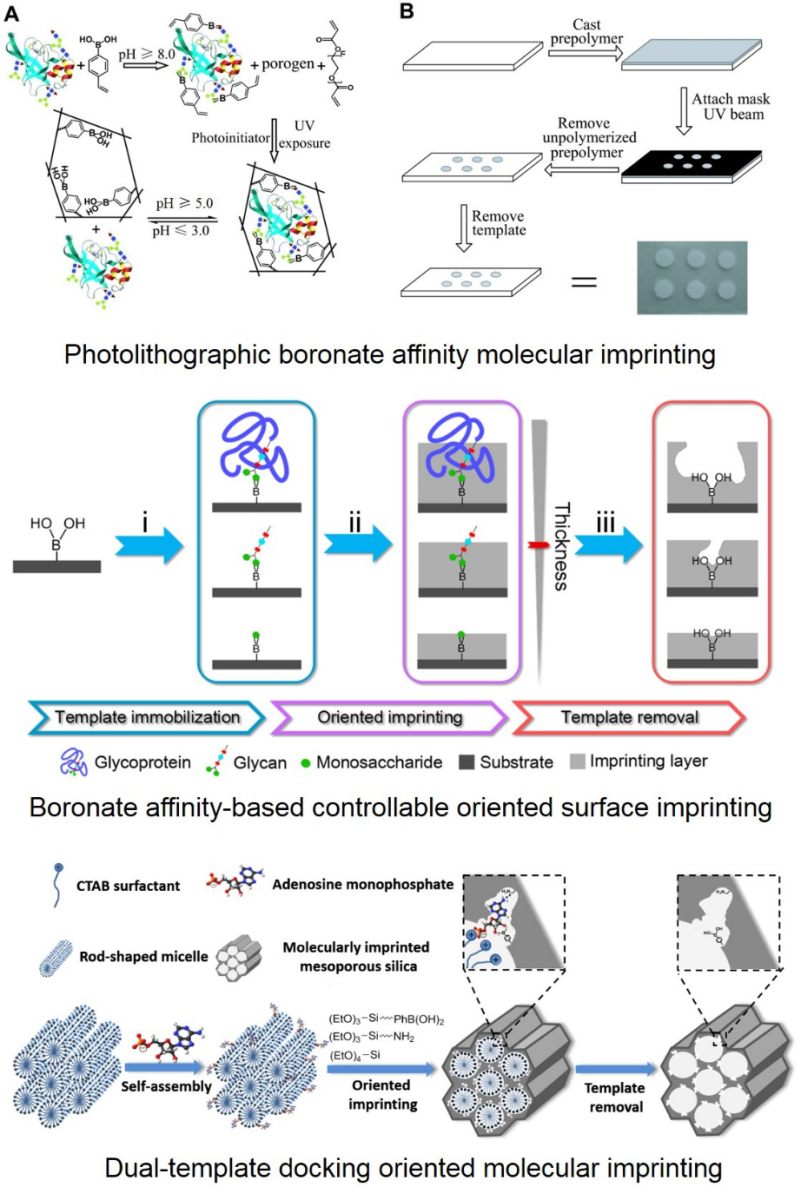
Figure 4. Schematic of representative molecular imprinting approaches.
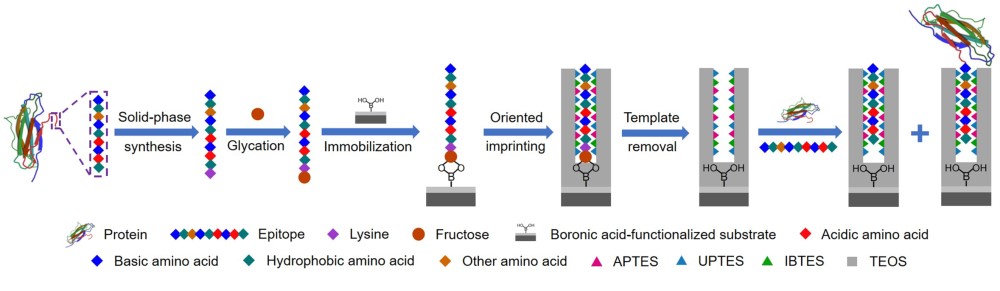
Figure 5. Schematic of the principle and procedure of controllable oriented surface imprinting of boronate affinity anchored epitope.
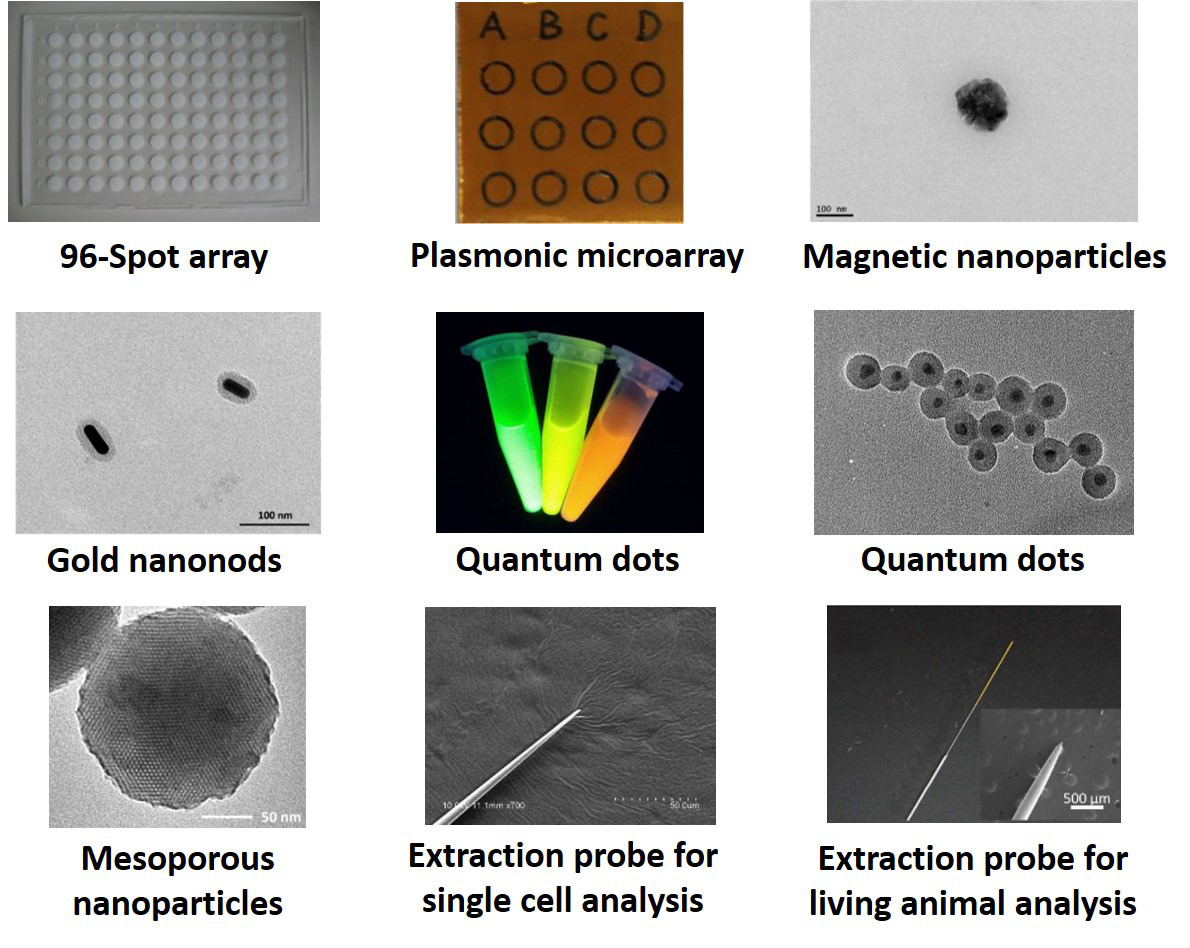
Figure 6. Representative molecularly imprinted materials.
Nucleic acid aptamer (Aptamer) is a DNA, RNA or nucleic acid analog sequence with specific recognition capability similar to antibodies, which can specifically a large range of species from inorganic ions, small organic molecules, peptides, proteins, bacteria, to viruses and cells (Figure 7). Nucleic acid aptamers are usually screened from a library of nucleic acid molecules using an in vitro selection technique-exponentially enriched ligand phylogenetic technique (SELEX), which can be prepared by solid phase synthesis after sequence analysis. Compared with antibodies, aptamers exhibit the advantages of easy synthesis, good stability and low cost. Combining the boronate affinity materials and molecularly imprinted materials developed by our group with SELEX, we have developed a number of convenient and efficient aptamer selection methods (see Figure 8 for the principle of screening methods based on magnetic molecularly imprinted materials). Our research team will continue to study new facile and efficient aptamer screening approaches to screen aptamers that can recognize post-translational modifications such as glycosylation and differential modification, and to screen aptamers that can recognize specific proteins or their specific domains for the applications in important fields such as -omics analysis, disease diagnosis and signal pathway regulation.
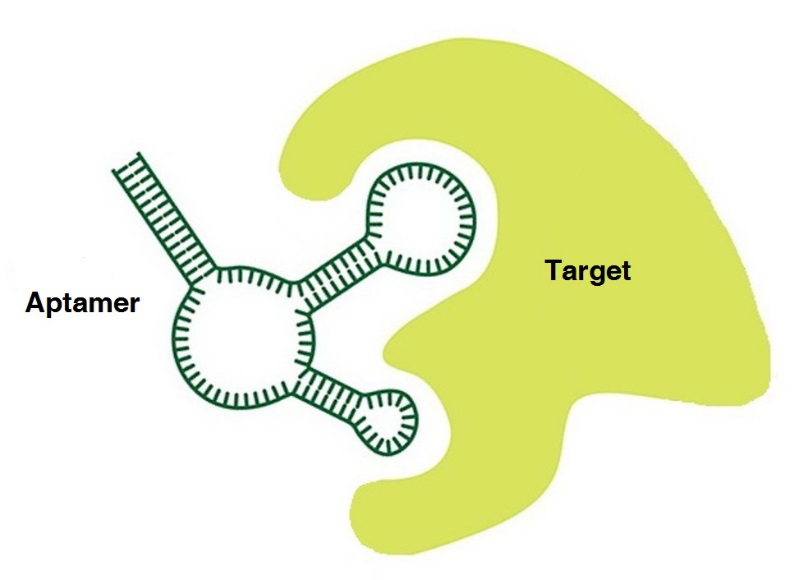
Figure 7. Schematic of recognition of an aptamer toward the target.
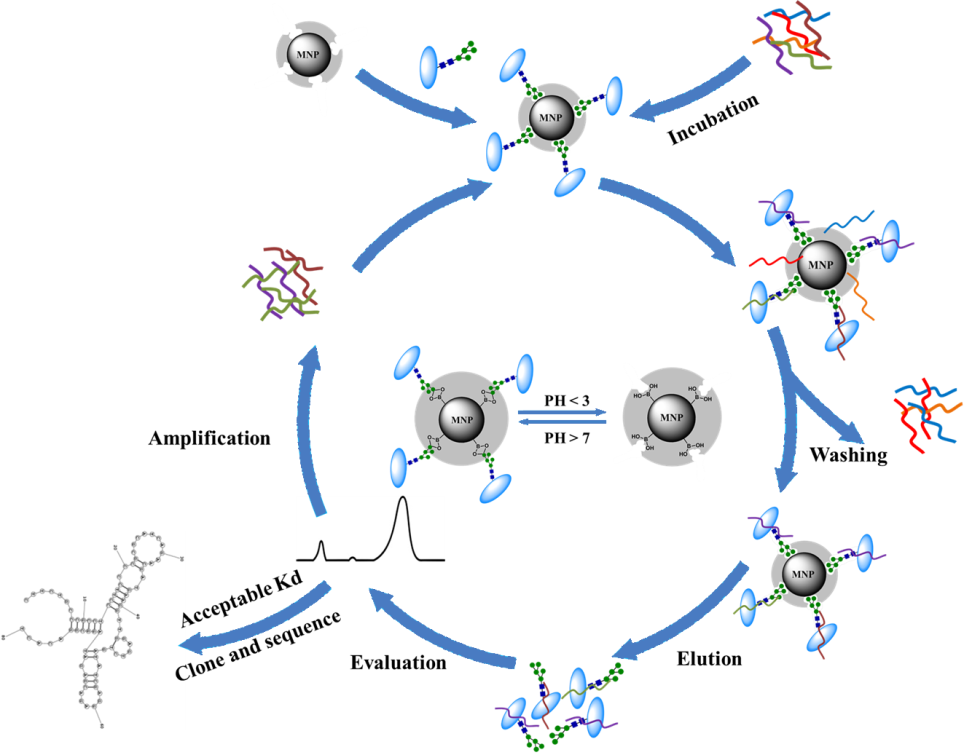
Figure 8. Schematic of on imprinted magnetic nanoparticles-based aptamer selection.
163 Xianlin Road, Qixia District, Nanjing, Jiangsu Province
Tel: (86)-25-89685639
Fax: (86)-25-89685639
ZIP: 210023

Copyright © Liu Group